
Discover why traditional flooring is making a comeback in modern homes. Explore Athangudi tiles, terracotta, natural stone, and practical flooring ideas for Kerala homes.
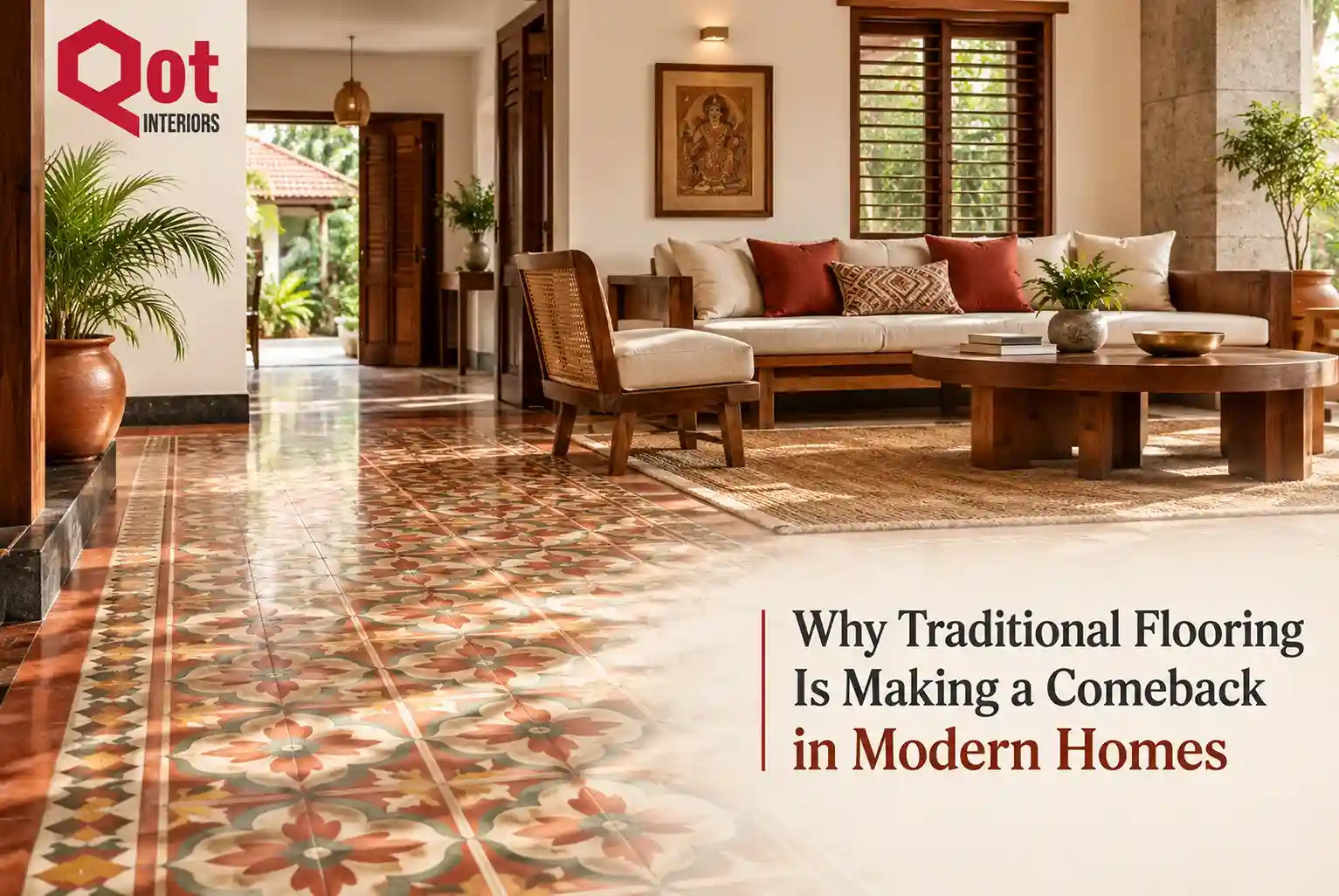
Why Traditional Flooring Is Making a Comeback in Modern Homes
Choosing flooring is one of the most important decisions when designing or renovating a home. It affects the appearance of a room, everyday comfort, cleaning requirements, and long-term maintenance.
While modern flooring options offer a wide range of colours and finishes, traditional materials are also worth considering. Athangudi tiles, terracotta, natural stone, patterned cement tiles, and wood bring textures and character that can make a home feel warm and welcoming.
For homeowners in Kerala, traditional flooring can complement local architectural styles while working beautifully with contemporary furniture and interiors. But is traditional flooring the right choice for your home? Understanding its benefits, limitations, and maintenance requirements can help you decide.
Why Is Traditional Flooring Becoming Popular Again?
1. A Timeless Look
Traditional flooring materials can remain attractive even as interior design trends change. Natural stone, earthy terracotta, and patterned tiles complement both classic and contemporary spaces.
2. Natural Textures and Warmth
Traditional materials add texture and visual depth to interiors. Terracotta introduces earthy tones, while natural stone offers distinctive patterns. These finishes work well with wooden furniture, indoor plants, and warm lighting.
3. Personalised Design Options
Traditional flooring is available in different patterns, colours, and finishes. Homeowners can cover an entire floor or introduce decorative tiles in selected areas, such as entrances, courtyards, and dining spaces.
4. An Opportunity to Consider Local Materials
Depending on availability, locally sourced materials may reduce transportation requirements and support local craftspeople. However, environmental impact depends on sourcing, manufacturing, transportation, durability, maintenance, and disposal.
Traditional Flooring Materials Worth Considering
1. Athangudi Tiles
Athangudi tiles are known for their decorative patterns and handcrafted character. They can introduce a distinctive traditional touch to contemporary homes.
Benefits:
- Attractive patterns and distinctive designs.
- Suitable for entrances and selected living areas.
- Can complement modern furniture and neutral interiors.
Things to consider: Check tile quality, installation requirements, surface finish, sealing recommendations, and cleaning instructions before purchasing.
2. Terracotta Flooring
Terracotta flooring is made from fired clay and is valued for its warm, earthy appearance. It complements wooden furniture, greenery, cream walls, and relaxed interior styles.
Benefits:
- Natural colours and rustic character.
- Suitable for selected traditional and contemporary interiors.
- Creates a warm, inviting atmosphere.
Things to consider: Some terracotta tiles are porous and may absorb moisture or stains. Appropriate sealing and regular care may be necessary.
3. Natural Stone Flooring
Natural stone flooring, including granite and other suitable stone varieties, offers a range of colours, patterns, and finishes.
Benefits:
- Distinctive natural patterns.
- Timeless appearance.
- Potential for a long service life with suitable installation and maintenance.
Things to consider: Check porosity, stain resistance, slip resistance, finishing requirements, and maintenance instructions.
4. Traditional Cement and Decorative Tiles
Patterned cement and decorative tiles can introduce colour and visual interest without requiring elaborate furniture or decorative walls.
Benefits:
- Attractive patterns.
- Flexible design options.
- Suitable for entrances, courtyards, and selected feature areas.
Things to consider: Some products require sealing and careful cleaning to minimise staining and surface damage.
5. Natural Wood and Wood-Look Flooring
Wood flooring creates a warm appearance and works well in bedrooms and living spaces. Wood-look tiles offer a similar visual effect with different maintenance characteristics.
Benefits:
- Warm colours and natural appearance.
- Complements minimalist interiors.
- Creates a comfortable, welcoming atmosphere.
Things to consider: Solid wood, engineered wood, and wood-look tiles have different moisture tolerances and installation requirements. Check suitability for Kerala's humid conditions.
How to Incorporate Traditional Flooring into Modern Interiors
Traditional flooring does not require a completely traditional house. The right combination of materials can create a balanced, contemporary look.
- Living rooms: Combine neutral stone flooring or patterned tiles with simple furniture and warm lighting.
- Kerala-style homes: Pair traditional flooring with wooden elements, natural textures, and contemporary furniture.
- Bedrooms: Choose understated finishes that complement the furniture and create a restful atmosphere.
- Courtyards and verandas: Select materials suitable for rain exposure, moisture, and outdoor conditions.
- Kitchens and dining areas: Prioritise easy cleaning, stain resistance, and slip resistance alongside appearance.
If the flooring has a strong pattern, keep the walls and furniture relatively simple. If the floor is neutral, introduce character through furniture, lighting, and textiles.
Is Traditional Flooring Suitable for Kerala's Climate?
Traditional flooring can work well in Kerala homes, but the right choice depends on the location and conditions of the space. Humidity, monsoon rain, dampness, and frequent cleaning can affect different materials in different ways.
Before choosing flooring:
- Check for dampness and address underlying moisture problems before installation.
- Confirm that the material is suitable for indoor, semi-open, or outdoor use.
- Ask about sealing, cleaning, and maintenance requirements.
- Choose an appropriate slip-resistant finish for areas that may become wet.
- Ensure the installer follows the manufacturer's preparation and installation guidance.
For example, terracotta may suit a covered veranda when the product and installation are appropriate. A kitchen may benefit from a surface that is easier to clean and more resistant to stains.
Traditional Flooring vs Modern Flooring
Both traditional and modern flooring have advantages. The better option depends on your budget, household needs, and maintenance expectations.
|
Factor |
Traditional Flooring |
Modern Flooring |
|
Appearance |
Natural textures, handcrafted details, and classic patterns |
Contemporary colours, patterns, and finishes |
|
Cost |
Depends on material, craftsmanship, and installation |
Depends on product quality, brand, and installation |
|
Maintenance |
Some materials need sealing or specialised care |
Some products are easier to clean |
|
Durability |
Can last well with suitable selection and installation |
Can also be highly durable when correctly selected and installed |
|
Moisture resistance |
Depends on material, finish, and sealing |
Depends on the specific product |
|
Repairs |
Matching older patterns or handmade tiles may be difficult |
Replacement availability depends on the product |
|
Sustainability |
Depends on sourcing, production, durability, and maintenance |
Depends on manufacturing, transportation, lifespan, and disposal |
Compare the actual products you are considering, including the total installed cost, rather than relying on the category alone.
What Should You Check Before Choosing Traditional Flooring?
- Set a complete budget: Include materials, labour, subfloor preparation, wastage, finishing, sealing, and future maintenance where applicable.
- Check physical samples: View samples in daylight and under your planned indoor lighting.
- Think about everyday use: Consider children, older family members, pets, foot traffic, spills, and cleaning routines.
- Ask about slip resistance: This is especially important for bathrooms and areas exposed to rain.
- Understand maintenance: Find out whether the flooring needs sealing, special cleaning products, or periodic professional care.
- Choose an experienced installer: Handmade, patterned, and natural materials may require specific installation techniques.
- Check future availability: Keep spare tiles where practical and ask whether matching materials will be available for repairs.
Common Mistakes to Avoid
- Choosing flooring only for its appearance without checking suitability.
- Ignoring dampness and moisture conditions.
- Overlooking installation and maintenance costs.
- Using slippery finishes in areas that frequently become wet.
- Assuming every natural material is environmentally friendly.
- Combining too many bold patterns in the same space.
- Skipping the manufacturer's cleaning and maintenance instructions.
How to Choose the Right Traditional Flooring for Your Home
Start by deciding what matters most to you: low maintenance, a natural appearance, distinctive patterns, durability, or a particular budget.
For a modern Kerala villa: You might choose a subtle natural stone finish for common areas and introduce patterned tiles in the entrance. This creates character without making the entire home visually busy.
For an existing home renovation: If an existing traditional floor is structurally sound and suitable for continued use, repairing or incorporating it into the new design may avoid unnecessary replacement.
For an earthy, relaxed interior: Terracotta-style flooring may complement wooden furniture and natural fabrics. Check the specific product's moisture resistance and maintenance requirements before choosing it for your home.
The most suitable flooring is not necessarily the most expensive or the most traditional. It is the option that fits your space, lifestyle, and long-term plans.
Frequently Asked Questions
1. What is the best traditional flooring for modern homes?
There is no single best option for every home. Athangudi tiles suit decorative spaces, terracotta offers an earthy appearance, and suitable natural stone provides a different combination of texture and performance. Choose according to the room, budget, and maintenance requirements.
2. Is traditional flooring suitable for Kerala homes?
Yes, selected traditional flooring materials can suit Kerala homes. However, humidity, rain exposure, dampness, and cleaning requirements must be considered. Correct material selection and installation are essential.
3. Are Athangudi tiles a good choice for modern interiors?
They can be an attractive choice for entrances, living areas, and selected feature spaces. Check quality, installation requirements, maintenance instructions, and availability before committing to a large area.
4. Is terracotta flooring difficult to maintain?
Maintenance depends on the product and finish. Some terracotta tiles are porous and may need sealing and careful cleaning to minimise staining and moisture absorption.
5. Is traditional flooring more expensive than modern tiles?
Not always. Costs vary according to material quality, design, sourcing, labour, preparation, and finishing. Compare the total installed cost of specific products before deciding.
6. Which traditional flooring options are more sustainable?
There is no universal answer. Locally sourced materials with a long useful life may offer advantages, but extraction, production, transportation, maintenance, and disposal also matter.
7. Can traditional flooring be used in modern minimalist interiors?
Yes. Pair patterned or textured flooring with neutral walls, simple furniture, natural wood, and uncluttered decor.
8. How can I maintain traditional flooring for a longer time?
Clean regularly using products suitable for the material, remove spills promptly, follow sealing recommendations, and avoid harsh cleaners unless approved by the manufacturer. Address loose tiles, damaged grout, and moisture problems early.
Conclusion: Give Your Home a Timeless Foundation
Traditional flooring offers homeowners a way to bring character, natural textures, and a sense of heritage into modern interiors. From decorative Athangudi tiles to earthy terracotta and natural stone, each material has its own appeal and practical considerations.
For homeowners in Kerala, the key is to choose flooring that suits the local climate, the intended room, the available budget, and the family's daily routine. Comparing samples, understanding maintenance requirements, and selecting a suitable installation method can help you avoid costly mistakes.
Planning a new home or renovation? Explore flooring options that complement your preferred interior style and everyday needs. QOT Interiors can help you consider flooring as part of a coordinated interior design plan, balancing appearance, functionality, and long-term practicality.