
What Is Interior Design?
Interior design is much more than choosing colours, furniture, or décor. It is the art and science of creating spaces that are both functional and visually appealing. By combining smart space planning, practical solutions, and creative design, interior designers transform homes and commercial spaces into environments that are comfortable, efficient, and tailored to the needs of the people who use them.
Creating Functional and Beautiful Spaces
Creating a functional and beautiful space starts with thoughtful planning. Interior designers carefully plan layouts to make the best use of available space, ensuring every room is practical and comfortable for everyday living. They consider your lifestyle, improve traffic flow for easy movement, maximize natural lighting, and incorporate smart storage solutions to keep spaces organized. By applying ergonomic design principles and balancing aesthetics with functionality, they create interiors that not only look elegant but also support comfort, efficiency, and long-term usability.
What Interior Designers Do
- Space Planning
Interior designers evaluate room dimensions, circulation, furniture placement, and functionality before creating layouts that maximize every square foot.
- Material Selection
Interior designers carefully choose flooring, wall finishes, countertops, fabrics, and other materials based on durability, maintenance, budget, and overall design aesthetics.
- Lighting Design
Interior designers plan natural and artificial lighting to enhance ambiance, improve visibility, and highlight key features while ensuring comfort and energy efficiency.
- Furniture Planning
Interior designers select and arrange furniture to suit the room’s scale, functionality, and style, creating spaces that are comfortable, practical, and visually balanced.
- Coordination with Architects
Interior designers work closely with architects, contractors, and other professionals to ensure that design concepts are executed accurately and align with the overall project vision.
- Site Supervision
Interior designers monitor on-site work, review installation quality, and coordinate project activities to ensure the design is implemented correctly and completed on schedule.
What Is Interior Decoration?
Interior decoration focuses on enhancing the look and feel of an existing space through carefully selected design elements. Unlike interior design, which involves planning the structure and functionality of a space, decoration adds the finishing touches that bring warmth, personality, and style. From choosing furniture and colour palettes to incorporating décor and soft furnishings, interior decoration creates a cohesive and inviting environment that reflects your taste and complements the overall design.
Enhancing the Visual Appeal of a Space
- Colour Harmony: Interior decorators select complementary colour palettes that create a balanced, inviting atmosphere and reflect the desired mood of the space.
- Furniture Styling: They choose and arrange furniture to improve visual balance, comfort, and functionality while complementing the overall interior theme.
- Decorative Elements: Accessories such as artwork, mirrors, indoor plants, and statement pieces are carefully selected to add personality and character.
- Textures: Different materials and finishes, including wood, fabric, metal, and stone, are combined to add depth, warmth, and visual interest.
- Layering: By blending colours, textures, lighting, furnishings, and décor, decorators create a cohesive, well-designed space with a polished and complete look.
Responsibilities of an Interior Decorator
An interior decorator enhances the character of a space by carefully selecting elements that complement its overall style. Decorative accessories add personality and warmth without altering the room's structure, while curtains and soft furnishings improve comfort, privacy, and visual appeal. Rugs help define different areas, introduce texture, and create a sense of balance. Artwork serves as a focal point, adding character and reflecting the homeowner's taste, while indoor plants bring freshness and a natural touch to the interiors. Decorative lighting, including pendant lights, wall sconces, and table lamps, enhances the ambiance, highlights design features, and completes the overall look of the space.
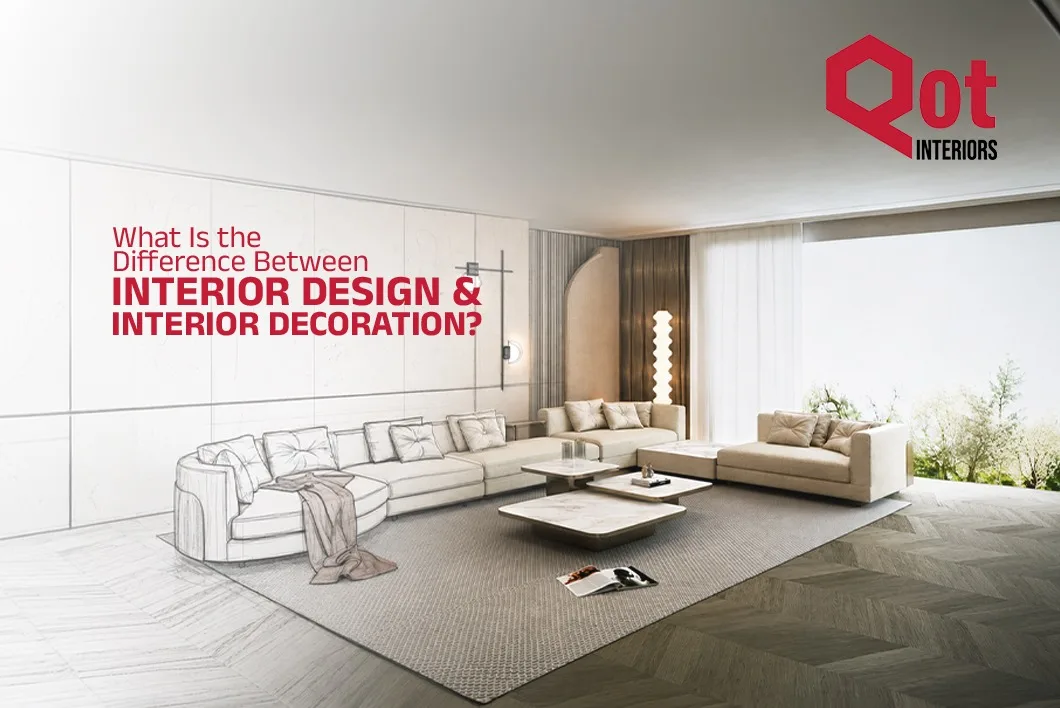
Interior Design vs Interior Decoration
|
Interior Design |
Interior Decoration |
|
Focuses on layout |
Focuses on appearance |
|
Works during construction |
Usually after construction |
|
Technical expertise |
Styling expertise |
|
Space planning |
Decorative styling |
|
Coordinates contractors |
Selects décor |
Scope of Work
The scope of work is one of the biggest differences between interior design and interior decoration. Interior design focuses on structural planning and space transformation, involving layout modifications, space optimization, lighting plans, and functional improvements that enhance how a space is used. Interior decoration, on the other hand, is centered on surface styling and visual enhancement. It involves selecting furniture, colour palettes, décor, fabrics, and accessories to improve the overall appearance of an existing space without making structural changes. While interior design creates the foundation for a functional environment, interior decoration adds the finishing touches that bring style, warmth, and personality to the space.
-
Technical Knowledge
Interior designers possess technical expertise that goes beyond aesthetics. They understand building codes, space planning, construction methods, and material performance to ensure every design is safe, practical, and functional. Their knowledge of design principles, ergonomics, and spatial planning helps create interiors that are comfortable, efficient, and built to meet both lifestyle and structural requirements.
-
Project Involvement
Interior designers are involved throughout the entire project, from the initial concept to the final handover. They work on new home constructions, renovations, and commercial fit-outs by planning layouts, coordinating with architects and contractors, and overseeing project execution. Interior decorators, in contrast, are typically involved after construction, focusing on home makeovers, room styling, and enhancing the finished space with furniture and décor.
-
Skills and Expertise
The skills required for interior design combine creativity with technical knowledge. Interior designers use space planning, design software, and construction expertise to solve functional challenges while creating visually appealing interiors. Interior decorators specialize in creative styling, selecting colours, furniture, textures, and accessories to achieve a cohesive look. Both professionals bring valuable expertise, but their roles differ based on the scope and goals of the project.
When Do You Need an Interior Designer?
Hiring an interior designer is the right choice when your project involves more than just improving the appearance of a space. Whether you're building a new home, renovating an existing property, or designing a commercial space, an interior designer helps create layouts that are functional, efficient, and tailored to your lifestyle or business needs. Their expertise ensures every design decision adds long-term value while making the most of your available space.
-
Home Construction Projects
Planning interiors before construction begins helps create a home that is both functional and efficient. Whether it's a new house, villa, or apartment, interior designers carefully plan room layouts, furniture placement, lighting, and storage to ensure every space is utilized effectively. Early planning also reduces costly design changes during construction and creates a home tailored to your lifestyle.
-
Renovation Projects
Renovating a home often involves improving both functionality and appearance. Interior designers can reconfigure layouts, remodel kitchens and bathrooms, and introduce smart storage solutions to make existing spaces more practical and comfortable. Their expertise ensures that renovations enhance the overall flow and value of your home without unnecessary disruptions.
-
Commercial Spaces
Commercial interiors require strategic planning to support business operations and customer experience. From offices and retail stores to hotels and restaurants, interior designers create layouts that improve workflow, maximize available space, and reflect the brand's identity. A well-designed commercial space not only looks professional but also enhances productivity and leaves a lasting impression on clients and visitors.
When Should You Hire an Interior Decorator?
An interior decorator is the right choice when you want to enhance the look and feel of your home without making structural changes. Whether you're refreshing your interiors, updating the décor for a new season, rearranging furniture, or improving colour coordination, a decorator can transform your space with thoughtful styling. By selecting the right furnishings, accessories, lighting, and decorative elements, they create a cohesive and inviting interior that reflects your personality while giving your home a fresh, updated appearance.
Benefits of Hiring Professional Interior Designers
Hiring a professional interior designer is an investment in creating a space that is both functional and visually appealing. From efficient space planning and material selection to customized design solutions and seamless project execution, their expertise helps turn your vision into reality. Professional interior designers ensure every detail is thoughtfully planned, helping you avoid costly mistakes, maximize your budget, and create interiors that offer long-term comfort, value, and style.
-
Better Space Planning
Professional interior designers create efficient layouts that maximize every square foot of your space. By carefully planning room flow, furniture placement, and storage solutions, they improve functionality while ensuring each area is comfortable, practical, and suited to your daily lifestyle.
-
Expert Material Selection
Choosing the right materials is essential for creating interiors that are both beautiful and durable. Interior designers recommend high-quality finishes, cost-effective materials, and long-lasting products that match your budget, design preferences, and maintenance requirements, ensuring lasting value for your investment.
-
Personalized Design Solutions
Every home and workspace is unique, and professional interior designers develop customized solutions based on your lifestyle, preferences, and functional needs. From bespoke furniture and smart storage to unique design themes, they create interiors that reflect your personality while enhancing comfort and usability.
-
Time and Cost Savings
Hiring an interior designer helps prevent costly design mistakes and unnecessary delays. They coordinate with architects, contractors, and suppliers, manage project timelines, and oversee execution to ensure the project runs smoothly, stays within budget, and delivers high-quality results on time.
How to Choose the Right Interior Professional
Choosing the right interior professional is essential to achieving a space that meets your expectations in terms of functionality, aesthetics, and budget. By evaluating your project requirements and comparing the expertise of different professionals, you can make a confident decision that ensures a successful outcome.
-
Understand Your Project Requirements
Start by identifying the scope of your project. If it involves structural changes, space planning, renovations, or a new home, hiring experienced home interior designers in Kochi or a trusted interior design company in Kochi is the right choice. For projects focused only on styling and décor, an interior decorator may be sufficient.
-
Set a Realistic Budget
Establishing a clear budget helps you prioritize your needs and choose services that align with your financial plan. A professional interior designer can recommend cost-effective materials, suggest practical alternatives, and help you achieve the best results without compromising on quality.
-
Review Portfolios
A designer's portfolio provides valuable insight into their creativity, design style, and project experience. Reviewing previous residential and commercial projects helps you determine whether their approach matches your vision and design preferences.
-
Check Experience and Expertise
Look for professionals with proven experience in handling projects similar to yours. Whether you're designing a home, office, or retail space, experienced designers can anticipate challenges, offer practical solutions, and ensure a smooth design and execution process.
-
Schedule a Professional Consultation
A consultation allows you to discuss your ideas, expectations, budget, and timeline. It also helps you understand the designer's approach, communication style, and ability to translate your vision into a functional and aesthetically pleasing space.
-
Compare Services Before Making a Decision
Before finalizing your choice, compare the services offered by different professionals. Consider factors such as design consultation, space planning, project management, custom furniture solutions, and after-project support to ensure you're selecting a partner who can meet all your interior design needs.
Why Professional Interior Design Creates Long-Term Value
Professional interior design is an investment that delivers value well beyond aesthetics. Thoughtfully planned spaces improve everyday comfort, simplify maintenance, and use high-quality materials that stand the test of time. A well-designed interior also enhances property value by creating functional layouts and timeless designs that remain appealing for years. By anticipating future lifestyle needs and incorporating practical, flexible solutions, professional designers create spaces that adapt as your requirements evolve. At QOT Interiors, every project is approached with a focus on balancing functionality, craftsmanship, and elegant design, resulting in interiors that offer lasting value for both residential and commercial spaces.
Conclusion
Whether you're building a new home, renovating an apartment, or designing a commercial workspace, understanding the difference between interior design and interior decoration is the first step toward making informed decisions. While decorators enhance visual appeal, interior designers create spaces that combine beauty, functionality, and long-term value. Choosing experienced interior designers in Kerala ensures your investment results in a space that truly reflects your lifestyle, goals, and personality.
CTA
Ready to Design a Space That Reflects Your Vision?
FAQ
1. What is the difference between interior design and interior decoration?
Interior design focuses on planning the functionality, layout, and structure of a space, while interior decoration enhances its visual appeal through furniture, colours, décor, and accessories. Interior designers often work on new constructions and renovations, whereas decorators typically style completed spaces.
2. Do I need an interior designer or an interior decorator for my home?
If your project involves new construction, renovations, layout changes, or space planning, hiring an interior designer is the best option. If you simply want to refresh your home's appearance with new furniture, colours, or décor, an interior decorator can help achieve the desired look.
3. Can interior designers help with furniture and décor selection?
Yes. Interior designers assist with selecting furniture, lighting, colour schemes, materials, and decorative elements that complement the overall design. They ensure every selection enhances both the functionality and aesthetics of your space while reflecting your lifestyle and preferences.
4. Are professional interior designers in Kerala suitable for both residential and commercial projects?
Absolutely. Experienced interior designers in Kerala work on a wide range of residential and commercial projects, including homes, villas, apartments, offices, retail stores, and hospitality spaces. They create customized solutions that balance functionality, aesthetics, and long-term value.
5. How do I choose the right interior design company for my project?
Choose an interior design company by reviewing its portfolio, experience, project expertise, and client testimonials. It's also important to discuss your budget, design goals, and project timeline during a consultation to ensure the company can deliver solutions that align with your vision and requirements.